Whetstone vs Oilstone: Which One Should You Use? (October 2026)
Choose a whetstone if you want water-based sharpening and an oilstone if you prefer a stone lubricated with honing oil. The right choice depends on your cleanup routine, stone care, and the edge you need to maintain.
On this page (7 sections)
Choose a whetstone if you prefer water as the lubricant; choose an oilstone if you want to sharpen with honing oil. In this whetstone vs oilstone comparison, the main difference is the sharpening routine each type asks of you.
A water stone may need soaking or wetting before use, depending on its care instructions. An oilstone uses honing oil instead, which can leave an oily surface to manage after sharpening.
Neither type is automatically better for every knife or home. Think about cleanup, storage, the number of sharpening stages you want, and how much stone care fits your routine.


Whetstone vs oilstone: what is the difference?
The lubricant is the clearest difference: water for a water stone, honing oil for an oilstone. Follow the stone's care directions instead of switching fluids by guesswork.
Water helps carry away metal and abrasive particles on a water stone. Oil serves that role on an oilstone.
The feel and cleanup differ, so consider where you'll sharpen and what you want to wipe down afterward.
The word "whetstone" can mean any sharpening stone, since "whet" means sharpen. In everyday shopping, though, it often refers to water stones.
Here, whetstone means a water-lubricated stone to make the comparison clear.
A water stone needs water available at the work surface. Some types call for soaking, while others are splash-and-go.
Our guide to how long to soak a whetstone explains why you should check the exact stone's instructions.
An oilstone needs honing oil and a way to contain or clean up residue. If you already have a place for that setup, oil may fit your routine; if you'd rather use water, a water stone may feel simpler to prepare.
Which stone should you use for kitchen knives?
Choose based on your preferred lubricant and the sharpening stages you need. The stone material alone doesn't tell you whether a setup suits your knife or habits.
A 1000-grit stone is a common middle step for sharpening an edge that needs regular attention. A finer side or stone can refine it, while a coarse stone can help with a more damaged edge.
See our whetstone grit chart for how grit fits the job.
When does a water stone make sense?
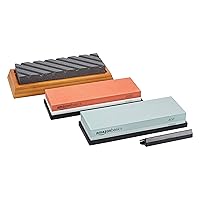
A water stone makes sense if you want to avoid honing oil and can handle water and drying as part of sharpening. A combination stone can also give you more than one grit without storing several separate stones.
The KING KW65 combines 1000 and 6000 grit in one stone and includes a plastic base. It needs water during use, so plan for a water-friendly work area.
If you want a single defined grit, the Naniwa Super Stone 1000 Whetstone is a 1000-grit water stone with a base and dressing stone. It uses water during sharpening and is intended for medium grinding.
Water stones also wear as you sharpen and can develop a hollow in the middle. Learn how to flatten a whetstone so its surface stays level.
When does an oilstone make sense?
An oilstone makes sense if you prefer honing oil and don't want a soaking step. It may suit a fixed bench setup where you can keep the oil and stone together.
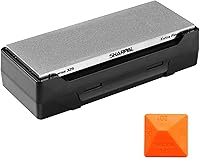
The Norton IM200 Oil Stone Sharpening Kit includes three stones at 100, 150, and 320 grit, along with a holder, oil reservoir, sharpening oil, and angle guide. The system is designed to hold the stones in place as you move between stages.
An oilstone's care still matters. Use the recommended honing oil and clean the surface as directed, so loosened metal and abrasive particles don't build up.
What are the tradeoffs in cleanup and upkeep?
Water stones call for wet use and drying; oilstones call for oil and residue management. The more convenient type is the one you'll put away correctly after each session.
With a water stone, keep water available and protect the counter from slurry. After use, let the stone dry according to its care guidance before storing it; a damp stone sealed away can create avoidable mess.
A water stone may also need flattening after repeated use. The center can wear lower than the edges, which makes it harder to keep a consistent blade angle across the surface.
With an oilstone, keep a small amount of honing oil ready and protect the work surface. Wipe the stone and holder after sharpening, following the maker's instructions for that stone.
Don't use oil on a water stone or water on an oilstone unless the manufacturer says it's suitable. Changing lubricant doesn't make one stone type easier to care for, and it can leave you with a harder cleanup task.
Which type is easier for a beginner?
Either type can work for a beginner if the stone is stable and the care routine is clear. Choose by setup and lubrication first, then practice holding a consistent angle.
A base or holder can reduce movement while you work. The KING KW65 includes a plastic base, and the Norton IM200 Oil Stone Sharpening Kit has a bench unit with rubber feet and an angle guide.
A guide can help you place the blade, but it doesn't replace careful, even strokes. Start with a knife you can practice on safely and follow a beginner's walkthrough for using a whetstone.
Dan's TRI-8 offers another oil-lubricated option, with coarse silicon carbide, medium soft Arkansas, and fine hard Arkansas stones. Its wood base and 23-degree sharpening guide may suit someone who wants three stages and natural Arkansas stones for the medium and fine steps.
For either type, use a stable surface, keep fingers clear of the edge, and avoid rushing through strokes. If the stone slides or the blade angle changes from stroke to stroke, pause and reset the setup.
Do whetstones sharpen faster than oilstones?
The stone's abrasive and condition affect sharpening speed, so the lubricant alone doesn't decide which type is faster. Compare the specific stones and their intended grit stages.
The Norton set includes coarse and medium silicon carbide stones, plus a finer aluminum oxide stone. Dan's system pairs coarse silicon carbide with soft and hard Arkansas stones.
The KING KW65 provides 1000 and 6000 grit, while the Naniwa Super Stone 1000 Whetstone is a single 1000-grit stone. Those differences in grit and abrasive type matter when you choose a stone for repair, routine sharpening, or refining an edge.
A very dull or damaged edge may need a coarser stone before a fine one can help. For routine touch-ups, a medium stone may be enough, depending on the edge and how much material it needs removed.
Can you switch from an oilstone to a water stone?
Yes, you can switch stone types, but keep each stone with its intended lubricant and care routine. You don't need to use the same type for every sharpening stage.
If you own an oilstone, don't apply oil to a water stone just because it's already on the bench. Keep the stones labeled or stored separately so you don't mix up the care steps.
You can use one type for rough work and another for later stages if each stone suits the job. The change in feel and cleanup may take practice, so keep your first session simple.
Before buying another stone, check whether you need a different grit or a different lubricant. Our guide to whetstone numbers and what they mean can help you understand the number on a stone.
Which one should you choose?
Pick a water stone if you want water-based sharpening and can manage wet use and drying; pick an oilstone if honing oil and a bench setup suit you better. If you're undecided, choose by lubricant and upkeep before comparing individual models.
For a two-grit water option, the KING KW65 combines 1000 and 6000 grit. For a three-stone oil setup, the Norton IM200 Oil Stone Sharpening Kit includes a holder and oil reservoir.
If you want natural Arkansas stones in an oil-lubricated system, consider Dan's TRI-8 Arkansas Tri-Hone. If you'd rather have one medium-grit water stone, the Naniwa Super Stone 1000 Whetstone is a focused 1000-grit choice.
Once you choose, follow the stone's care directions and practice the same angle across the edge. For a broader look at stone materials and formats, read our guide to knife sharpening stones, including oil, diamond, and ceramic.
Our score weighs specs, features and buyer feedback against what you're shopping for.
See the sharpening stone grit chart to match a stone's grit to your next sharpening job.
Frequently asked questions
Is a whetstone the same as an oilstone?
A whetstone is a sharpening stone used with water, while an oilstone uses honing oil as its lubricant. The word whet means to sharpen, so it can describe sharpening stones broadly, but shoppers often use whetstone to mean a water stone.
Can you use water on an oilstone?
Use the lubricant intended for your stone. Oilstones are made to work with honing oil, while water stones use water; switching lubricants can make cleanup harder and may affect how the stone works.
Check the stone maker's care directions before changing its lubricant.
Do water stones need soaking?
Some water stones need soaking, while others only need water on the surface. Check the directions for the exact stone before putting it in a tub.
Our guide to how long to soak a whetstone explains what to check.
Which stone is easier to maintain?
An oilstone avoids soaking, but oil residue needs cleanup and the stone should keep using oil. A water stone avoids sharpening oil, though it may need soaking, drying, and flattening as it wears.
Pick the routine you'll follow consistently.
Which should a beginner choose?
Choose the stone whose lubricant and care routine you can manage. A water stone like the KING KW65 has two grits in one stone, while the Norton IM200 oilstone system has three stones and a holder.
A stable setup and steady angle matter with either type.