Whetstone vs Oilstone: Which One Should You Use?
A whetstone is usually the easier choice for kitchen knives if you want water cleanup. An oilstone uses honing oil instead, so choose one when its oil-based routine suits your sharpening setup.
On this page (7 sections)
- What is the difference between a whetstone and an oilstone?
- Which stone should you choose for kitchen knives?
- How do grit and stone material affect the choice?
- What maintenance do waterstones and oilstones need?
- How can you keep a stone steady while sharpening?
- Do angle guides work with both stone types?
- How should you decide between a whetstone and an oilstone?
A whetstone is usually the easier choice for kitchen knives if you want water cleanup; an oilstone uses honing oil instead. Check the stone maker's instructions before sharpening, because each stone needs the right lubricant and care.
Both types sharpen by abrading steel as you move the blade across the stone. The practical difference is the lubricant, which affects setup, cleanup, and maintenance.
What is the difference between a whetstone and an oilstone?
Waterstones use water, while oilstones use honing oil. The word “whetstone” means a sharpening stone, but people often use it to mean a waterstone.
Water helps carry metal particles and abrasive slurry across a waterstone's surface. Honing oil serves a similar purpose on an oilstone, but it leaves an oily residue to clean after use.
Don't assume a stone can use either lubricant. Follow its care instructions from the start, and avoid switching between water and oil unless the maker says it's safe.
Which stone should you choose for kitchen knives?
Choose a waterstone if you want water-based sharpening and cleanup. Choose an oilstone if your sharpening routine already uses honing oil and you don't mind wiping down the stone and work area afterward.
A waterstone can be a practical fit for a kitchen counter or sink, where water and rinsing are close by. Some waterstones need soaking before use, while others need only water on the surface.
An oilstone can suit a dedicated sharpening space where you can keep honing oil handy. Keep it separate from food preparation surfaces, and clean the stone according to its instructions.
For a wider look at stone types, see our guide to sharpening stones for kitchen knives. If you're new to the process, how to use a whetstone covers the basic sharpening steps.
How do grit and stone material affect the choice?
Grit describes how coarse or fine a stone is; it doesn't tell you whether the stone uses water or oil. Compare the stone's intended lubricant and grit separately.
Coarse stones remove steel more quickly and can help repair a damaged edge. Finer stones refine an edge after coarser work or help maintain a blade that is already in good shape.
Stone materials vary in how they cut and wear. Read the maker's guidance for both grit and lubricant, then use the same approach throughout sharpening.
The whetstone grit chart can help match grit to the job. Our guide to what whetstone numbers mean explains how to read the numbers marked on a stone.
Does a higher grit always mean a better stone?
No. The right grit depends on the condition of the blade and the work you need to do.
A very fine stone won't repair a badly damaged edge as quickly as a coarse one.
For routine kitchen sharpening, a combination of grits can cover initial sharpening and later refinement. A multi-grit set may be useful if you want those stages in one setup.
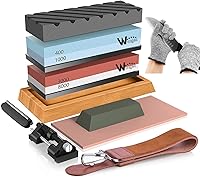
The Amazon Basics set uses water, and its stones can be cleaned with water. Its two dual-sided stones cover several grits, so it suits someone who wants multiple options in one set.
Skip it if you specifically want an oilstone or already have the grits you need. Read how to use a whetstone before your first sharpening session.
What maintenance do waterstones and oilstones need?
Both stone types need care, but the details vary by stone. Use the specified lubricant, remove residue as instructed, and keep the surface flat enough for consistent sharpening.
Waterstones can wear unevenly and develop a hollow, or dish, in the middle. A dished surface can make it harder to keep a steady blade angle, so check for uneven wear over time.
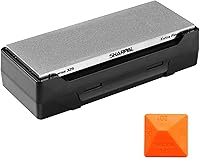
A flattening stone can help level a worn waterstone. The Sharp Pebble dual-grit flattener has 120- and 320-grit sides, with the coarser side intended for stones at 900 grit and below and the finer side for stones at 1000 grit and up.
This option makes sense if your waterstone has started to dish and you want a dedicated tool for maintenance. Follow its instructions and rinse away slurry as you work.
Oilstones also need cleaning, but use care steps suited to their oil-based lubricant. Don't soak an oilstone like a waterstone or rinse it as if it were a water-only stone.
For more on uneven wear, read how to flatten a whetstone and how to clean and store a whetstone.
How can you keep a stone steady while sharpening?
A stable stone makes it easier to guide the blade consistently. Use a holder or a non-slip base that fits your stone, and work on a secure surface.
A holder is useful if your stone moves while you sharpen or if your setup lacks a built-in base. Check its size range against your stone before buying.
The POWERTEC holder suits diamond stones, waterstones, whetstones, Japanese stones, and oilstones. Measure your stone first to confirm it fits.
If your stone already sits securely in a base, another holder may not add much. Keep water and honing oil away from the work surface where they could make tools or hands slippery.
Do angle guides work with both stone types?
Some angle guides are made for both traditional stones and waterstones. Check the guide's base and your stone's surface before using one.
The SHARPAL 196N has four angle options: 14°, 17°, 20°, and 25°. Its black guide has an anti-slip rubber pad for traditional and ceramic stones; the orange guide has a magnetic base for ferrous metal stones.
This guide can help you set an angle at the start and check it again during sharpening. It doesn't move with the blade, so it won't hold the angle for you as you sharpen.
Choose it if you want a reference for those four angles. Skip it if you prefer to learn angle control without a guide or need a different angle.
How should you decide between a whetstone and an oilstone?
Pick a waterstone if water cleanup fits your routine; pick an oilstone if you prefer honing oil and can manage its cleanup. Then choose a suitable grit, follow the stone's care instructions, and secure it before sharpening.
For a waterstone setup with multiple grits, the Amazon Basics set includes two water-using stones and a flattening stone. For maintenance, the Sharp Pebble flattener is an option; the POWERTEC holder can secure compatible stones, and the SHARPAL guide offers angle references.
If you want help choosing a grit, start with the whetstone grit chart. For a full sharpening walkthrough, follow how to use a whetstone.
Frequently asked questions
Is a whetstone the same as an oilstone?
Both are sharpening stones, but they use different lubricants. Waterstones use water, while oilstones use honing oil.
Follow the stone maker's instructions, since using the wrong lubricant can affect cleanup and how the stone works.
Can I use water on an oilstone?
Use the lubricant specified for your stone. Oilstones are meant for honing oil, while waterstones are made for water.
Switching lubricants can leave residue or change how the stone cuts, so check the maker's care instructions before sharpening.
Which stone is better for kitchen knives?
Either can sharpen a kitchen knife when used correctly. A waterstone suits people who prefer water cleanup and a range of grits; an oilstone suits people who already use honing oil and are comfortable cleaning up the residue.
Do waterstones need to be soaked?
Some waterstones need soaking, while others need only a splash or a steady film of water. Check the maker's instructions for your specific stone.
Our guide to how long to soak a whetstone explains how to tell the difference.