How Long to Soak a Whetstone (and When to Skip It)
Soak a whetstone only if its maker calls for it. A stone that needs soaking may take several minutes in water, while a splash-and-go stone needs only a wet surface; never soak a stone labeled soak-free.
On this page (7 sections)
Soak a whetstone only if its maker calls for it. A stone that needs soaking may take several minutes in water, while a splash-and-go stone needs only a wet surface; never soak a stone labeled soak-free.
There isn't one soaking time that fits every stone. Stone type and care instructions matter more than a timer, so check those before setting the stone in water.
How long should you soak a whetstone?
Soak a whetstone for the time its maker recommends, if soaking is required at all. Some stones take up water before use, while splash-and-go stones are ready after you wet the surface.
For a stone that calls for soaking but gives no time, watch for bubbles to slow as a rough sign that it has absorbed water. This isn't a universal test, so follow any stone-specific instructions you have.
Don't leave an unfamiliar stone submerged while you look for advice. Check its care guide first, especially if you don't know whether it needs soaking or only surface water.
Which whetstones need soaking?
Some stones need water before sharpening, while splash-and-go stones need water on the surface. The stone's maker determines which method applies, not its grit number or appearance.
A waterstone is a broad category that includes stones with different care needs. To understand how grit relates to sharpening rather than soaking, see our guide to whetstone numbers and what they mean.
Do all 1000-grit stones need soaking?
No, grit alone doesn't tell you whether a stone needs soaking. The Shapton GlassStone 1000 needs no soak before use, while the Naniawa Super Stone 1000 Whetstone instructions say to lubricate it with water during sharpening.
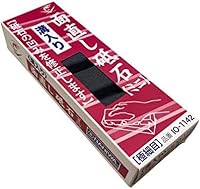
The Shapton is a fit for someone who wants to start without pre-soaking. The Naniwa includes a dressing stone, and its instructions call for water while sharpening.
Check each stone's own care instructions before use. Our whetstone grit chart explains how grit affects the job, but it doesn't replace those instructions.
When should you skip soaking a whetstone?
Skip soaking when the maker says the stone is soak-free, splash-and-go, or needs only surface water. Wet the sharpening surface as directed, then add water during sharpening if it begins to dry.
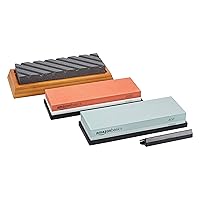
The THLEITE set is labeled soak-free. Its instructions say to splash water on the stones and warn against soaking them or leaving them in the sun.
Don't put a soak-free stone into a water bath just because another stone in your setup needs it. Follow each stone's care directions.
A stone that needs water during use still may not need a pre-soak. The Naniwa's instructions call for water lubrication, not a prolonged soak.
How do you prepare a splash-and-go stone?
Wet the surface, begin sharpening, and add water again if the stone dries. This gets the stone ready without a soaking period.
The Sharp Pebble 1000/6000 is a water-based sharpening stone. Its care instructions don't specify whether to soak it, so check the included directions before submerging it; use water on the surface as directed.
If you need help with sharpening technique, follow our beginner's walkthrough for using a whetstone. It covers the sharpening process, while your stone's own instructions should guide its water use.
Can you leave a whetstone in water overnight?
Don't leave a whetstone submerged overnight unless its maker specifically permits it. Some stones are designed for soaking, but others are not, and longer soaking isn't automatically better.
If the instructions give a soaking time, use it. If the stone is soak-free, avoid immersion entirely.
Once you finish sharpening, follow the maker's steps for drying and storage. Our guide to cleaning and storing a whetstone covers routine care.
What should you do if a whetstone dries while sharpening?
Add water to the surface if the stone's instructions call for water during use. A dry surface can make sharpening harder, but adding water doesn't mean the stone needs to be soaked.
Use a small amount and spread it across the working area. Don't pour water over the stone if its care guide says to avoid that.
If the surface feels uneven or the stone has become dished, water won't flatten it. See how to flatten a whetstone for that separate maintenance job.
How long to soak a whetstone: a simple decision
For how long to soak a whetstone, start with the maker's instructions. Soak only when required, and use a surface splash for stones labeled splash-and-go or soak-free.
The Shapton GlassStone 1000 is a clear option when you want a stone that needs no pre-soak. The THLEITE set is labeled soak-free and calls for splashing water on the surface.
If you aren't sure which category your stone falls into, check its care guide before sharpening. Then use our guide to choosing stones and grits to find a stone that fits your sharpening needs.
Frequently asked questions
How long should you soak a whetstone?
Follow the stone maker's instructions. A stone that needs soaking may take several minutes, but the right time varies; some are splash-and-go and need only water on the surface.
Don't use a fixed timer for every stone, and don't immerse a stone labeled soak-free.
How do you know when a whetstone is soaked enough?
For a stone that requires soaking, bubbles rising from the surface may slow as it takes up water. Use this only as a rough cue, since stones differ; follow the maker's instructions and don't keep a splash-and-go or soak-free stone submerged.
Can you soak a splash-and-go whetstone?
No. A splash-and-go stone is designed to work with water added to its surface, not a long soak.
Wet it as directed, add more water if the sharpening surface dries, and follow its care instructions after use.
What happens if you soak a whetstone too long?
The result depends on the stone. Some stones are not meant to be immersed, and soaking them can go against their care instructions; others require soaking before use.
Check the maker's guidance for your exact stone, and don't assume that more time in water is better.