Whetstone vs Diamond Stone: Which Should You Buy? (October 2026)
Choose a diamond stone for dry sharpening and a firm, flat surface, or a whetstone for a water-based routine and more grit steps. This whetstone vs diamond stone comparison helps you match the abrasive to your knives, edge work and available setup space.
On this page (7 sections)
- Whetstone vs diamond stone: what is the main difference?
- Is a diamond stone faster than a whetstone?
- Which stone is easier to set up and maintain?
- Which stone works with harder knife materials?
- What are the feel and control differences?
- What mistakes should you avoid with either stone?
- Which sharpening stone should you buy?
Choose a diamond stone for dry sharpening and a firm, flat surface, or a whetstone for water use and more grit choices. In this whetstone vs diamond stone comparison, the better fit depends on your sharpening routine, knife material and how much edge work you need.
A diamond surface uses abrasive particles bonded to a base. A whetstone uses an abrasive stone or ceramic surface with water or oil, depending on its instructions.
These differences shape setup, maintenance and the feel of each sharpening session.


Whetstone vs diamond stone: what is the main difference?
Diamond stones can sharpen dry and provide a firm surface, while whetstones usually use water or oil and often offer more grit steps. Check the care directions for the exact stone because not every model follows the same routine.
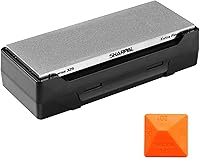
The SHARPAL 162N pairs a 325 grit side for quick edge setting with a 1200 grit side for honing. It uses monocrystalline diamonds electroplated onto a stainless steel base.
The KING KW65 has 1000 and 6000 grit sides. It's a ceramic combination stone that should be soaked in water and kept wet while you sharpen.
The wucgea kit offers 400, 1000, 3000 and 8000 grit surfaces made from white corundum. Its instructions call for soaking the stones before use.
Grit numbers can help you compare surfaces, but they don't tell the whole story across different materials and brands. Read our whetstone grit chart for a plain-language guide to coarse, medium and fine grits.
Is a diamond stone faster than a whetstone?
A coarse diamond stone can remove metal quickly, but speed depends on the grit, knife and pressure. SHARPAL says its 162N sharpens up to 5 times faster than an oil or water stone; treat that as a brand claim, not a promise for every knife or sharpening session.
The SHARPAL's 325 grit side is the coarsest surface among these options. It suits edge setting when a fine finishing side alone would be too slow.
The KING starts at 1000 grit, so it doesn't provide the same coarse starting point. The wucgea set includes a 400 grit surface, followed by 1000, 3000 and 8000 grit steps.
Use controlled strokes and light pressure instead of pushing hard to speed up the work. Extra force can make it harder to hold a steady angle, especially while you're learning.
Which grit should you use first for whetstone and diamond sharpening?
Start with the coarsest grit your edge needs, then move finer only if you want to refine it. A knife that has lost a little bite doesn't need the same progression as a very dull or damaged edge.
A coarse surface removes more metal, so it makes sense for heavier edge work. A medium grit can handle routine sharpening, and a fine grit can refine an edge that is already in good shape.
The SHARPAL pairs a coarse 325 side with a 1200 side. The KING offers 1000 and 6000, while the wucgea kit has 4 stated grit levels for a longer progression.
Our guide to what whetstone numbers mean explains how grit ranges fit common sharpening jobs. It can help you avoid starting with a surface that's more aggressive than your edge needs.
Which stone is easier to set up and maintain?
A dry-use diamond stone is generally quicker to set up, while a water whetstone takes soaking or water management and may need flattening. The right choice depends on whether you prefer a fast, dry start or don't mind a wet work area.
The SHARPAL is designed for dry sharpening. Its storage box has a nonslip pad that can also serve as a base, so you can place it on a stable counter without preparing water.
The KING needs soaking and should stay wet during use. The wucgea kit calls for a 5 to 10 minute soak and includes a base and flattening stone.
Water stones can wear unevenly as material is removed, so they may need flattening to keep the surface level. See how to flatten a whetstone before a hollow develops across the sharpening face.
Diamond stones still need care even though they avoid the water-based setup. SHARPAL says dark marks can be dried sharpening dirt; it suggests an eraser for minor marks and fully drying the stone after cleaning tougher stains.
Which whetstone or diamond stone suits a beginner?
Choose the option with a routine you can repeat and a grit range that fits your knife care. More included pieces can be useful, but they also add setup, storage and choices.
The SHARPAL includes an angle guide with 14°, 17°, 20° and 25° options. The KING comes with a plastic base, and the wucgea kit includes both a base and an angle guide.
A guide can help you begin at a consistent angle, but you still need steady strokes across the stone. For the water-stone routine, follow our step-by-step guide to using a whetstone.
Before buying, think through these questions:
- Do you want to sharpen dry, or are you comfortable soaking a stone and managing water?
- Do you need a coarse grit to reset an edge, or are medium and fine grits enough?
- Will one base and two surfaces suit you, or do you want a set with more steps and accessories?
- Do you sharpen ordinary kitchen knives, or a harder material that needs a compatible abrasive?
- Where will you store the stone and its accessories between sharpening sessions?
Answering those questions narrows the choice more usefully than choosing by grit count alone. A large set only helps if you'll use its extra surfaces and keep track of how each one fits into the progression.
Which stone works with harder knife materials?
A diamond stone is the option to consider for very hard materials because SHARPAL says the 162N can sharpen high-speed steel, carbide, ceramic and cubic boron nitride. Check the knife maker's sharpening advice before using any abrasive on a specialty blade.
The KING KW65 is a ceramic whetstone, and the wucgea kit is made from white corundum. Their product information focuses on kitchen knives and general sharpening rather than a specific claim for carbide or ceramic blades.
If you sharpen ordinary kitchen knives, grit range and setup may matter more than specialty material compatibility. If you own a blade with an unusual steel or edge, confirm the recommended abrasive and technique with the knife maker.
Don't assume one stone will suit every knife in a drawer. The blade material, edge shape and condition all affect which surface is appropriate.
What are the feel and control differences?
A diamond plate feels firm and can seem aggressive at first, while a whetstone gives you a water-based surface that changes as you sharpen. Use light pressure and a stable base while you get used to either surface.
SHARPAL says the 162N often feels more aggressive at first and becomes smoother after several uses as it breaks in. A change in feel by itself doesn't mean the stone has worn out.
A water stone can create slurry as you sharpen. Some users like that feedback, but the amount and feel vary by stone and technique.
Keep the stone from moving and use even strokes along its surface. Pause if you lose the angle or start pressing harder, then reset your position before continuing.
What mistakes should you avoid with either stone?
The most common mistakes are choosing the wrong grit, using too much pressure and ignoring the stone's care directions. A careful setup helps protect the edge and makes each pass more consistent.
Avoid starting every sharpening job on the coarsest side. Choose a coarse grit for an edge that needs meaningful repair, and use a finer surface for light maintenance or refinement.
Don't soak a stone unless its directions call for it. The KING and wucgea stones have water routines, while SHARPAL advises avoiding water on the 162N because filings may rust.
Don't let a water stone run dry during use if its directions say to keep it wet. Afterward, clean and store each stone as directed, and let it dry fully when its care guidance calls for drying.
Finally, don't switch grits without cleaning away loose abrasive and metal residue from the blade and work area. Keeping the surfaces and knife clean helps prevent coarse particles from being carried onto a finer grit.
Which sharpening stone should you buy?
Buy the SHARPAL 162N for dry sharpening and a coarse-to-fine diamond pair, the KING KW65 for a simple 1000/6000 water-stone routine, or the wucgea kit for a wider grit progression and bundled tools. The best whetstone vs diamond stone choice is the one that fits your edge work and the setup you'll keep using.
Choose the SHARPAL if you want a dry surface, a coarse side for edge setting and an included angle guide. Skip it if you want more than 2 grit levels in one set or prefer a water-stone routine.
Choose the KING if you want a two-sided ceramic whetstone and don't mind soaking it and keeping it wet. Skip it if you need a coarse starting grit for a very dull edge or want a broader range of included accessories.
Choose the wucgea kit if you want 4 grit steps, a base, an angle guide and a flattening stone together. Skip it if you want a quick, dry setup or don't want to store and manage several pieces.
For more material and grit options, see our guide to the best knife sharpening stones. If you already know you prefer diamond abrasives, compare alternatives in our best diamond sharpening stones guide.
Frequently asked questions
Is a diamond stone better than a whetstone?
A diamond stone is a better fit if you want dry sharpening and a firm surface, while a whetstone suits a water-based routine and can offer several grit steps. Neither is best for every knife or user.
Choose by upkeep, grit needs and the surface feel you prefer.
Can you use a diamond stone dry?
Some diamond stones are made for dry sharpening, including the SHARPAL 162N. SHARPAL advises avoiding water because filings may rust; other diamond stones can have different directions, so follow the care guidance for your exact stone.
Do whetstones need to soak?
Some whetstones need soaking, while others can be used with water on the surface without a soak. The KING KW65 should be soaked and kept wet during use, and the wucgea kit calls for a 5 to 10 minute soak.
Which stone is better for repairing a dull or damaged edge?
A coarse grit can remove more metal and help reset a dull edge, while fine grits refine an edge that is already in better shape. The SHARPAL 162N has a 325 grit side, and the wucgea kit includes a 400 grit side.
Use light pressure and work carefully.
Do diamond stones wear out?
Diamond stones can change feel as they break in. SHARPAL says its surface may feel aggressive at first and become smoother after several uses; the change alone doesn't mean it has worn out.
Clean and dry the stone according to its care directions.