Whetstone vs Waterstone: What Is the Difference? (November 2026)
There is no real difference: a waterstone is a whetstone. Whetstone is the broad term for any stone that sharpens a blade, and waterstone names the water-soaked kind. The choice that matters for buyers is water stone vs oil stone.
On this page (7 sections)
There is no real difference: a waterstone is a whetstone. Whetstone is the umbrella word for any stone that sharpens a blade, and waterstone describes the kind you soak in water.
So when you search whetstone vs waterstone, you're really comparing water stones against oil stones.
That matters because the liquid each stone uses changes how it cuts, how fast it wears and how much upkeep it needs. Pick the wrong type for your habits and you'll spend more time soaking and cleaning than sharpening.
The short answer for most home cooks is a water stone. It cuts quickly, needs only water, and a dual-grit stone handles dull kitchen knives without much fuss.
Here's how the two families differ and which stone to buy.
What does "whetstone" actually mean?
A whetstone is any stone used to sharpen or hone a blade. The word comes from the old verb "to whet," which means to sharpen, so a whetstone isn't a separate material from a waterstone.
Stones are sold by how they cut and what liquid they use. The main families are water stones, oil stones and diamond plates.
Some natural stones fall into these groups too.
The grit scale is a separate layer on top of that. A stone can be a water stone and still come in a coarse grit, a fine grit or both on one block.
The material handles the liquid question and the grit number handles the finish question.
So "whetstone vs waterstone" is a comparison of a category against one member of that category. A waterstone is a whetstone.
An oil stone is also a whetstone. The same goes for a ceramic or diamond stone.
The water stone family
Water stones are made to be soaked or splashed with water before use. The water carries away the metal and stone particles that build up as you sharpen.
Many are combination stones with a coarse side and a fine side. That makes them a practical first buy, since one stone repairs a dull edge and then refines it.
The main trade-off is wear. Water stones cut fast, and that speed means the surface dishes more quickly than harder stones.
A flattening stone keeps the face true.
Water stones are often sold as kits because the extra parts matter. A base holds the stone still while you stroke, and a flattener keeps the working face level.
Buying the stone alone leaves you propping it on a towel and guessing at the angle.
The oil stone family
Oil stones run with honing oil instead of water. The oil floats the swarf away and keeps the surface cutting smoothly.
These stones are usually harder and wear more slowly. The cost is speed and upkeep: oil stones cut more slowly and the oil is messier to handle and store.
Our comparison of a whetstone vs oilstone covers the liquid and upkeep differences in more depth. For now, know that "waterstone" and "oil stone" are the real choice, not whetstone vs waterstone.
Whetstone vs waterstone side by side
The table below shows why the terms overlap and where the real differences sit. Read the water stone and oil stone rows to see what actually changes your routine.
| Feature | Whetstone (broad term) | Waterstone | Oil stone |
|---|---|---|---|
| What it is | Any blade-sharpening stone | A whetstone soaked in water | A whetstone used with oil |
| Liquid | Depends on the type | Water | Honing oil |
| Cutting speed | Varies | Fast | Slower |
| Wear rate | Varies | Wears faster | Wears more slowly |
| Cleanup | Depends on the type | Water only | Oil and rags |
| Best for | Any sharpening job | Kitchen knives and quick edge repair | Slow, long-lasting maintenance |
The first two columns are the same tool described at different levels. The third column is the alternative you'd weigh it against.
If you want a stone that works on kitchen knives with minimal mess, the water column wins. If you want a stone that stays flat longer and you don't mind the oil, the oil column has the edge.

 Best for keeping stones flat
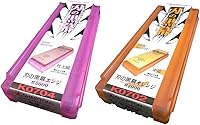
Angerstone Dual Grit Coarse/Fine Flattening Stone Set
Why the liquid changes the sharpening job
Water stones cut faster because the water keeps fresh abrasive exposed. Oil stones trade some speed for slower wear and a longer-lasting flat face.
As a water stone works, the water lifts away metal filings and worn stone. That keeps the surface cutting, which is why these stones remove metal quickly.
An oil stone holds its shape longer, so you flatten it less often. The oil carries debris too, but it's slicker and harder to wipe away.
Neither liquid is better in every case. The choice comes down to how often you sharpen and how much mess you'll accept.
Speed matters for dull kitchen knives
A kitchen knife that crushes tomatoes needs real metal removed. A fast-cutting water stone gets there in fewer passes.
That speed is the main reason home cooks lean toward water stones. A coarse water stone resets the edge quickly, then a finer side refines it.
Speed also lowers the odds of a botched job. Fewer passes mean less chance of wobbling the angle on a long stroke.
A stone that bites fast gives a beginner quicker feedback, because the change in the edge shows up sooner.
Water stones also shed abrasive as they work, and fresh grit keeps cutting. That self-renewing surface is what makes the stone feel aggressive even after many sessions.
Slower wear matters for a stone you rarely use
An oil stone suits a sharpener who pulls the stone out a few times a year. It stays flat and needs less attention between sessions.
The downside is time on the stone. Removing the same amount of metal takes longer, so a badly dulled knife is more work.
There's also storage to think about. Oil sits on the stone and in the rags, and the bottle has to live somewhere handy.
A water stone only needs a bucket or a sink.
Grit and stone type are separate choices
Grit tells you how fine the scratch pattern is, not whether the stone uses water or oil. A 1000 grit water stone and a 1000 grit oil stone both refine an edge, but they do it differently.
Lower grits remove metal fast and repair chips. Higher grits polish and refine.
The whetstone numbers on a stone tell you where it sits on that scale.
A dual-grit stone gives you two steps in one block. A 400/1000 stone, for example, repairs a dull edge on the 400 side and hones it on the 1000 side.
Grit also sets how the stone behaves with water. Coarse stones move metal fast and often need less soaking, while fine stones want a fuller soak to work evenly.
The maker's instructions are the safe guide either way.
Pick your grits by the job first. Then pick the stone type by the liquid and upkeep you'll accept.
Mixing the two questions up is where buyers get stuck.
Why a combination stone covers most homes
Most kitchen knives only need two steps: repair and refine. A combination stone does both without buying two separate blocks.
That's why the best first water stone is often a dual-grit model. It's compact, affordable and covers everyday blade care.
Browse the best whetstones for options that fit a starter budget.
Think about what you actually own before buying separate blocks. Chef knives, paring knives and the odd pocket knife rarely need a polished mirror edge.
A single combination stone handles that mix and takes up less counter space.
If you do want a finer finish later, you can add a high-grit stone without replacing the first one. The two then work as a two-stage routine.
Soaking, splashing and keeping a water stone ready
Most water stones need a soak before use; the time depends on the grit and the maker. Some are splash-and-go stones that only need water on the surface.
Soaking softens the binder and lets the stone cut without clogging. A dry water stone can glaze over and stop removing metal.
The soak time varies widely. Our guide on how long to soak a whetstone explains how to tell when a stone is ready.
Watch for bubbles to slow and the surface to darken.
Oil stones skip the soak. You apply oil to the surface and start sharpening.
That's simpler, but the oil has to be cleaned off afterward.
Keep the stone flat as you go
Water stones wear unevenly, so the middle dishes first. A flattening stone re-levels the face so the blade meets a flat surface.
Flatten before or after a session, depending on how much you sharpen. A dished stone rounds the edge instead of sharpening it.
Flatteners come in a few setups. A single grooved stone gives one grit and a simple routine.
A two-stone set gives a coarse pass to take down the high spots and a finer pass to clear the scratches, which leaves a cleaner working face.
The size of the flattener matters too. A stone that is about as long and wide as your sharpening stone covers the whole face in one pass, so you're not working in patches.
The product boxes below cover stones for beginners, stones for keeping a stone flat, and a full set for polishing. Each fits a different step in the routine.
Which stone should you buy?
Buy a water stone for kitchen knives and quick edge repair; buy an oil stone for slow, low-frequency maintenance. The whetstone vs waterstone label won't change that, but your habits will.
A home cook who sharpens often gets more from a water stone. It cuts fast, cleans up with water and covers everyday knives well.
Someone who sharpens rarely and wants a stone to last without soaking may prefer an oil stone. The slower cut is the price of less upkeep.
Pick a water stone if you sharpen kitchen knives
The water stone is the better fit for most homes. The Sharp Pebble kit bundles a 400/1000 stone with a flattening stone, base and guide, so the routine is complete from day one.
Its coarse side rebuilds a dull edge and the 1000 side refines it. The included flattening stone keeps the surface true, which matters because water stones dish as they cut.
The guide is the quiet win for a first-time sharpener. It helps you find the angle instead of guessing, and the non-slip base holds the stone while you stroke.
The stone itself is 7.25 by 2.25 by 1 inch, made of Carborundum, and works with water only.
Skip it if you sharpen only a few times a year and dislike soaking. In that case an oil stone asks less of you between sessions.
Pick a stone kit if you want to polish an edge
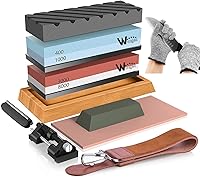
If you want a fine finish on Japanese knives or a straight razor, a four-grit set gets you there. The Intelitopia set adds 3000 and 8000 grits for polishing, plus a leather strop.
That set is heavier and has more steps, so it suits readers who enjoy the process. A beginner can start on the two lower stones and move up as the edge improves.
The strop is the part that separates this kit from a plain stone. It polishes the edge and helps remove the burr left after the fine stone.
The bamboo base holds both stones steady, and the angle guide covers the early sessions.
Verdict: which stone wins for most readers?
A water stone wins for most home sharpeners, because it cuts fast and needs only water. In the whetstone vs waterstone comparison, the terms describe the same tool, so the real pick is water stone over oil stone for kitchen knives.
Start with a dual-grit water stone and a flattening stone. That pair covers dull knives and keeps the surface flat without the mess of oil.
If you sharpen rarely and value a stone that stays flat longer, an oil stone still makes sense. The slower cut is a fair trade for less upkeep.
Either way, match the grit to the job and keep the stone flat. Pick the water stone for speed and simplicity; pick the oil stone for long life and less soaking.
Read the grit guide before you buy so the numbers match your knives.
Frequently asked questions
Is a waterstone the same as a whetstone?
Yes. A waterstone is a type of whetstone, so the two words describe the same sharpening tool.
Whetstone is the broader term, and waterstone names the stones you soak in water before use.
What is the difference between a water stone and an oil stone?
The difference is the liquid used during sharpening. Water stones soak in water and need no oil, while oil stones use honing oil on the surface.
Water stones cut faster and wear quicker; oil stones wear slower but need more upkeep.
Do you have to soak a waterstone before sharpening?
Most water stones need a soak, but the time varies by grit and maker. Coarse stones often need less time than fine ones.
Some stones are splash-and-go and only need water on the surface.
Which grit whetstone should a beginner buy first?
A 400/1000 combination stone covers dull edges and everyday honing. You can add a finer stone later for polishing.
Start with the lower grit to repair the edge, then move up to refine it.
How often should you flatten a water stone?
Flatten it whenever the surface stops sitting flat or a straightedge shows a dip. Heavy use wears a stone unevenly, so check it often.
A flattening stone keeps the working face true.
Can you use water on an oil stone?
No. Oil stones are made to run with honing oil, and water on them can clog the surface and cut poorly.
Match the liquid to the stone type and keep the two separate.