How Long Do Diamond Sharpening Stones Last?
A diamond sharpening stone usually lasts several years of home use, and many reach a decade or more with light sharpening. The diamond layer wears gradually rather than failing at once, so the sign to watch is a stone that cuts slower and feels smoother than it used to.
On this page (9 sections)
- How long do diamond sharpening stones last in normal use?
- What are the signs a diamond stone is wearing out?
- Is a smoother surface always wear, or just break-in?
- What makes a diamond stone wear out faster?
- Does grit choice change how long the stone lasts?
- How should you clean and store a diamond stone?
- Do you need a flattening stone for a diamond plate?
- Which diamond stones are worth the lifespan?
- How do you know when to replace a diamond stone?
A diamond sharpening stone usually lasts several years of home use, and many reach a decade or more with light sharpening. The diamond layer wears gradually rather than failing at once, so watch for a stone that cuts slower and feels smoother than it used to.
The answer depends less on the calendar than on how often you sharpen, what steel you work, and how you treat the plate. This guide covers the signs of wear, the habits that shorten stone life, and how to tell normal break-in from real wear.
How long do diamond sharpening stones last in normal use?
Expect years of service, not months. A home cook who sharpens a few knives every month gets a long life out of a plated diamond plate.
A workshop that hones chisels and plane blades daily will wear one down faster.
The key point is that diamond stones fail slowly. The plating that holds the grit stays in place, and the diamonds themselves round over and shed bit by bit.
Cutting gets slower, and the surface feels glassier under the blade.
That slow fade means you can plan a replacement rather than being caught out. Many owners sharpening a handful of kitchen knives reach a decade before the plate feels tired.
Heavy professional use shortens that to a fraction of the time.
Part of what buys those years is the bond holding the grit. SHARPAL uses a Three-Times Electroplating Process on the 168H to anchor the diamond particles and control how much abrasive sits above the surface.
A firm bond means the grit stays put instead of shedding in chunks, which is what separates a long-lived plate from a cheap one that goes bald in a season.
What are the signs a diamond stone is wearing out?
Slower cutting is the first sign, followed by a slick surface. When a stone that once raised a burr in a few strokes now needs ten, the abrasive is tiring.
Other markers to watch for:
- The plate feels smooth rather than gritty under a fingertip.
- You need more pressure to make the same progress.
- Steel skates instead of biting.
- The plating looks patchy or worn bare at the edges.
That last sign is serious, because once the diamond layer is breached the plate stops cutting in that area. A patchy stone is spent for anything but the lightest honing work.
It helps to know what the surface should look like when healthy. Monocrystalline diamond holds its structure well under load, and on a well-made plate the grit stays evenly spread across the whole face.
When wear is real, that even spread gives way to smooth patches that catch the light differently from the rest of the stone.
Is a smoother surface always wear, or just break-in?
A smoother feel in the first few sessions is usually break-in, not wear. New diamond plates cut aggressively because freshly plated grit sits proud of the surface.
Ordinary use levels those high points.
SHARPAL says the same of the 162N. The rough surface sharpens hardest at the start, then smooths with use as more diamonds are exposed for steady performance.
The company says the stone is adjusting for long-term use, not wearing out.
Judge wear over months, not sharpenings. A plate that still raises a burr quickly after the break-in period is healthy.
One that has slowly lost bite across many sessions is the one to watch. Keep a rough note of how many strokes a dull knife takes, and the comparison becomes obvious.
What makes a diamond stone wear out faster?
Heavy pressure, the wrong materials, and dirty surfaces all shorten life. How you sharpen matters as much as how often.
Pressing hard does not cut faster on a plated stone. It scrapes material off at speed, wears the grit unevenly, and can strip plating from the edges.
Let the diamonds do the work and keep strokes light. SHARPAL's own guidance is to avoid high pressure, because the abrasive does the cutting without it.
Hard materials also cost life. SHARPAL lists the 162N as suitable for high speed steel, carbide, ceramic and cubic boron nitride, and sharpening those takes more from the plate than kitchen steel does.
If you work ceramic knives regularly, keep a coarse stone for that job so your finer plate stays fresh.
Grinding a blade flat against the stone in one spot, or dragging the tip across the surface, wears a groove into the plating. So does skipping a clean: packed metal dust dulls the bite and makes you press harder.
Does grit choice change how long the stone lasts?
Coarse grits do the heavy removal and wear faster, while fine grits last longer. The coarse side of a dual-grit stone takes the shaping work, and shaping is what consumes abrasive.
Pairing a coarse diamond stone with a fine knife sharpening stone spreads the workload. The coarse plate does the resetting, and the fine one only hones, so each does the job it was built for and lasts longer.
A dual-grit plate such as the SHARPAL 162N carries both: coarse 325 grit (45 micron) to set an edge and extra fine 1200 grit (12 micron) to hone it. One plate, two jobs, and each side sees only the work it suits.
Buying a stone with the grits you actually use saves wear across your whole setup.
The grit number also tells you how much steel each side moves. A 325 grit side removes material at 45 micron abrasive size, while a 1200 grit side works at 12 micron and only refines.
The side you reach for most often is the one that will tire first, so it pays to know which that is.
How should you clean and store a diamond stone?
Sharpen dry, clean after each session, and store the plate in its case. Dirt is the easiest thing to fix and the easiest to overlook.
Avoid water during sharpening, since wet iron filings can rust on the surface. SHARPAL's testing showed little difference between oil and dry sharpening, so oil is not needed either.
Dark marks are not lost diamond. SHARPAL says the dark areas are dried dirt from sharpening, and they don't affect performance.
A soft eraser lifts light marks; tougher stains come off with Bar Keepers Friend, then the stone air dries fully.
Store the plate flat and covered. A stone that rattles loose in a drawer can chip an edge or pick up grit that scratches the next blade.
A storage case or pouch keeps the face clean and the edges protected between sessions.
Do you need a flattening stone for a diamond plate?
No. A diamond plate is ground flat and stays flat, so it does not dish the way a soft water stone does.
That means no regular lapping and no flattening routine in its care.
That flatness is a reason the plate keeps working accurately for years. Once a water stone hollows, you sharpen on a curved surface and lose angle control.
The flattening stone for whetstone care routine is one less job when you sharpen on diamond.
Choose the surface for the steel you work. Our diamond vs ceramic sharpening stone comparison covers where each one wins.
Diamond suits the hard steels and flat accuracy; ceramic suits the polished finish some chefs prefer.
Which diamond stones are worth the lifespan?
The best-value pick is a flat, well-plated stone from a brand that backs it. Longer life starts with a plate that holds its grit, and SHARPAL is the most common name in home diamond sharpening.
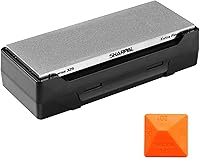
The SHARPAL 162N is the one we'd start with. It has 325 and 1200 grit on one 8 x 3 in plate, a MirrorFlat surface for even contact, and a storage case that doubles as a non-slip base with an angle guide.
SHARPAL backs it with a 3-year commitment.
A slimmer full-size plate
For a lighter plate, the SHARPAL 168H brings the same 8 x 3 in size and monocrystalline diamond in a thinner 0.55 in body. Its MirrorFlat surface holds flatness within ±0.002 in, and the 325 and 1000 grit sides cover most kitchen jobs.
A kit for tool users
The Trend 8-Inch Diamond Bench Stone 300/1000 comes as a kit: the double-sided stone, a non-slip mat, a cleaning block and a pouch. The coarse side has clearance channels that keep small tooling from snagging.
Pick 162N for a complete first diamond stone, 168H for a light plate with a full size surface, and Trend if you want a cleaning block in the box. The diamond sharpening stone roundup compares them in more detail.
How do you know when to replace a diamond stone?
Replace it when a clean stone still needs heavy pressure to cut. Cleaning and light work first; if the bite does not come back, the abrasive is used up.
Replace when the plating is patchy, when the plate is worn bare at one spot, or when routine honing takes far longer than it used to. A cleaned, flat stone with clear grit still has life.
Until then, protect the years you have left. Light strokes, dry sharpening, a clean surface and a case cost nothing and stretch the life of any plate.
That care decides how long diamond sharpening stones last in your kitchen far more than the box date does.
If you sharpen daily for work, keep a spare coarse stone on hand. For most home sharpeners, the plate in the drawer will outlast the knives.
Frequently asked questions
How long do diamond sharpening stones last compared with water stones?
A diamond stone usually outlasts a water stone that is soaked, flattened and worn down by soft steel. Diamond stays flat without lapping, so it keeps cutting evenly for years, though it still wears out eventually.
Can I restore a worn diamond stone?
No, you can't put the diamonds back. Once the plates are worn and cutting is slow, a stone only serves as a backup for light honing.
Cleaning the surface first is worth trying, since packed dirt can feel like wear.
Should I flatten a diamond sharpening stone?
No. A diamond plate is ground flat and does not dish like a water stone, so it needs no flattening stone for whetstone maintenance.
That is one reason it holds accuracy longer over its life.
How do I make a diamond stone last longer?
Use light pressure, sharpen dry, and clean the surface after each session. Let the stone do the cutting, keep it in its case, and avoid pressing hard on a single spot, which wears the plating unevenly.